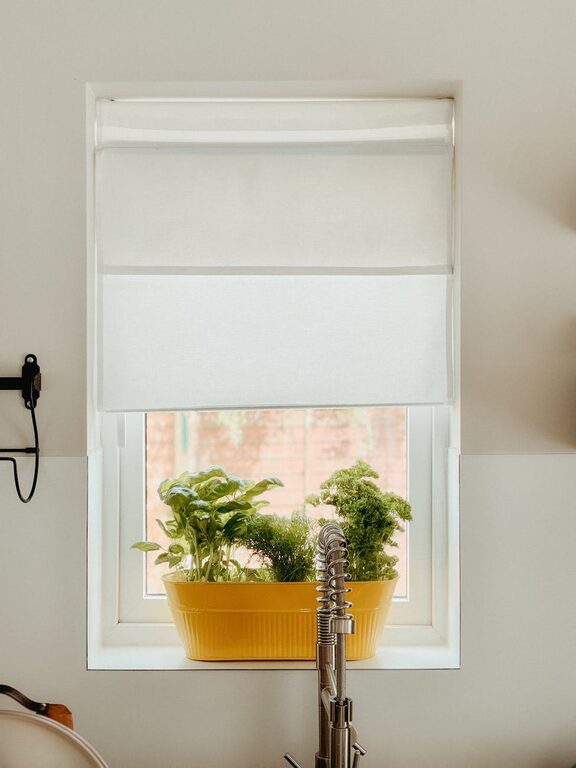
Starting a small herb garden indoors is a rewarding way to bring fresh flavors into your cooking and add a touch of greenery to your living space. Whether you have a sunny windowsill, a balcony, or just a little countertop space, growing herbs indoors is easier than you might think. In this post, we’ll walk you through everything you need to know to get started, from selecting the right herbs to caring for them.
Why Grow Herbs Indoors?
Growing herbs indoors offers several benefits:
– Convenience: Fresh herbs within arm’s reach while cooking
– Year-round harvest: Herbs grow regardless of the season
– Space-saving: Perfect for apartments and small homes
– Aesthetic appeal: Adds greenery and fresh scents to your space
Choosing the Right Space for Your Herb Garden
Light is the most critical factor in successful indoor herb gardening. Most herbs need about 6 hours of sunlight a day. Here are some tips for choosing a spot:
– Windowsill: South or southwest-facing windows are ideal
– Under grow lights: If natural light is limited, use LED or fluorescent grow lights
– Avoid drafts: Keep herbs away from cold drafts or heat sources like radiators
Selecting Herbs to Grow Indoors
Some herbs do better indoors than others. Here are popular options for beginners:
– Basil: Needs lots of light and warmth
– Parsley: Tolerates moderate light and cooler temperatures
– Mint: Hardy and spreads quickly, best kept in its own pot
– Chives: Adapt well to indoor conditions
– Thyme: Prefers bright light and well-drained soil
– Cilantro: Can be a bit finicky but worth trying
What You’ll Need to Start
Gather these basics before planting:
– Containers: Pots with drainage holes (herbs don’t like soggy roots)
– Potting mix: Use a lightweight, well-draining potting soil formulated for indoor plants
– Seeds or seedlings: Seeds are more economical; seedlings give a head start
– Watering can or spray bottle
– Fertilizer: A balanced, water-soluble fertilizer for indoor plants
Step-by-Step Guide to Planting Your Herb Garden
1. Prepare Your Containers
Start by filling your pots with potting mix, leaving about an inch of space at the top.
2. Plant Seeds or Seedlings
– For seeds: Follow the packet instructions on planting depth and spacing.
– For seedlings: Dig a hole slightly bigger than the root ball and gently place the plant in.
3. Water Carefully
Water your newly planted herbs thoroughly but avoid overwatering. The soil should be moist but not soggy.
4. Place in a Sunny Location
Set your pots where they will get adequate light. Rotate them weekly so all sides receive light evenly.
Caring for Your Indoor Herb Garden
Watering
Herbs typically like the soil to dry slightly between waterings. Check the top inch of soil—water when it feels dry.
Fertilizing
Feed your herbs every 4-6 weeks during the growing season with a diluted liquid fertilizer to encourage healthy growth.
Pruning and Harvesting
Regularly trim leaves to promote bushier growth and prevent the plants from becoming leggy. Harvest often, but avoid cutting more than one-third of the plant at a time.
Pests
Though less common indoors, keep an eye out for pests like aphids or spider mites. Wipe leaves with a damp cloth or use insecticidal soap if needed.
Troubleshooting Common Issues
– Yellow leaves: May indicate overwatering or poor drainage
– Leggy growth: Too little light; move plants closer to a light source
– Wilting: Underwatering or root-bound plants; check soil moisture and repot if necessary
Expanding Your Indoor Herb Garden
Once you’ve mastered a few basics, consider adding more varieties or even edible flowers. Herbs like rosemary and sage can also grow indoors but may need more care.
Final Tips for Success
– Keep a journal for watering schedules and growth notes
– Use clean pots and tools to prevent disease
– Enjoy the process and experiment with different herbs
Growing a small indoor herb garden is a fun and practical way to brighten up your home and elevate your cooking. With some patience and care, you’ll have fresh herbs at your fingertips throughout the year. Happy gardening!