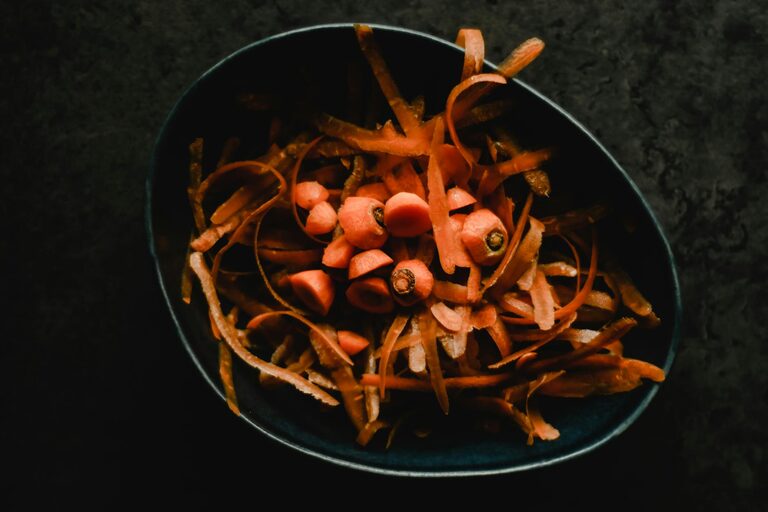
Reducing food waste at home is an easy and impactful way to save money and protect the environment. Many of us unintentionally discard perfectly good food due to poor planning or misunderstanding storage techniques. By adopting a few simple habits, you can make a significant difference in how much food you consume versus what is wasted. This guide will walk you through practical ways to cut down food waste in your household.
Why Reducing Food Waste Matters
Before diving into tips, it’s helpful to understand why reducing food waste is important. Globally, about one-third of all food produced is never eaten. This waste impacts land, water, and energy resources used to produce food. At home, it means wasted money and more trash in the landfill. Eating what you buy helps conserve resources and supports sustainability.
Plan Your Meals Ahead
One of the most effective methods to reduce food waste is meal planning.
Create Weekly Menus
– Check your fridge and pantry before shopping.
– Plan meals around ingredients you already have.
– Make a detailed shopping list based on your menu.
By shopping with a clear plan, you avoid buying duplicates or items you won’t use.
Use Portion Control
Cook appropriate portions for the number of people eating. Overcooking often leads to leftovers that might go uneaten. If you do have leftovers, plan to use them in new meals or freeze them promptly.
Shop Smart and Store Properly
How you shop and store food greatly affects its shelf life.
Choose Fresh, In-Season Produce
Buying fruits and vegetables in season often means fresher and longer-lasting foods. Local markets can be great sources.
Understand Food Labels
“Best before” refers to food quality, while “use by” indicates safety. Many foods can still be safely consumed past “best before” dates.
Store Food Correctly
– Use airtight containers to keep foods fresh.
– Separate ethylene-producing fruits (like apples) from vegetables to slow ripening.
– Keep herbs fresh by placing them in water like flowers.
Proper storage extends freshness and reduces spoilage.
Get Creative with Leftovers
Leftover food can become a base for delicious new dishes.
Repurpose Common Leftovers
– Vegetables can be used in soups or stir-fries.
– Stale bread can turn into croutons or bread pudding.
– Overripe fruits are perfect for smoothies or baking.
Freeze for Later
Many leftovers freeze well for future meals. Label containers with dates and contents to keep track.
Compost Food Scraps
Composting is a great way to reduce the impact of unavoidable food scraps.
What to Compost
– Vegetable peels
– Coffee grounds
– Eggshells
– Fruit scraps
Avoid composting meat, dairy, or oils as they can attract pests.
Even a small compost bin or worm composting system can be implemented at home.
Educate Your Household
Getting everyone involved makes food waste reduction more effective.
– Share knowledge about leftovers and storage techniques.
– Encourage mindful eating habits.
– Involve children in cooking and composting to promote awareness.
Use Technology for Help
There are apps and tools designed to assist with food management.
– Apps to track expiry dates
– Meal planning platforms
– Shopping list generators
Using technology reduces guesswork and improves efficiency.
Final Thoughts
Reducing food waste at home doesn’t require drastic changes. With thoughtful planning, better storage, and a little creativity, you can lessen waste, save money, and contribute positively to the environment. Start small, try out a few tips, and gradually build sustainable habits that last. Your kitchen—and the planet—will thank you!